

When control risk and inherent risk level are assessed to be kept as high by the auditors, the detection risk is low to maintain the total audit risk level at the required level or acceptable level. And when inherent and control risks are kept at lower, the detection risk is at a higher level. The auditors can manage or lower the detection risk by increasing the size of sampling for audit purposes in the organization. The audit risk model is a framework auditors use to assess the risk of material misstatement in a company’s financial statements. The model has based on the premise that all audits involve some level of risk and that auditors must take steps to manage that risk. Inherent risk is the risk that a client’s financial statements are susceptible to material misstatements in the absence of any internal controls to guard against such misstatement.
- Unlike inherent risk, management can directly reduce control risk through effective internal controls.
- Based on the audit standard, the auditor needs to assess the risks of fraud that might happen and the materiality.
- We also cover how automating some audit risk tasks can save time, reduce errors, and keep your records organized.
- Control Risk is the risk of a material misstatement in the financial statements arising due to absence or failure in the operation of relevant controls of the entity.
- These three risks are multiplied together to calculate overall audit risk, or the risk of an auditor drawing inaccurate conclusions.
How we ensure our content is accurate and trustworthy?
As the the risk of material misstatement (the company’s risk) increases, so should the auditors work. Proper audit work decreases detection risk (the risk that the auditor will not detect material misstatements). Inherent, control, and detection risks are the components of audit risk.
- In both instances, the audit has potentially missed records or items that could affect the audit outcome.
- When there are significant control failures, a client is more likely to experience undocumented asset losses, which means that its financial statements may reveal a profit when there is actually a loss.
- Detection risk occurs when audit procedures performed by the audit team could not locate the material misstatement that exists on financial statements.
- The model revolves around the uncertainty that exists within every business transaction, financial statement, security control and corporate decision.
- Audit risk always exists regardless of how well auditors planned and performed their audit tasks.
- For audits conducted by in-person interview – If your audit is being conducted in person, contact the auditor assigned to your audit to request an extension.
Automating audit risk management

Similarly, a company with Cash Flow Statement weak internal controls will have a higher control risk. However, they can control detection risk by adjusting the nature, timing, and extent of their audit procedures. If inherent and control risks are high, the auditor will need to perform more extensive testing to reduce detection risk to an acceptable level.
- This volatility creates a greater likelihood of errors in forecasting, inventory obsolescence, and revenue recognition judgments.
- Let’s look at some examples of detection risk in real-world scenarios.
- In other words, it represents a risk that the audit report issued by the auditor is not the true representative of the financial position of the company either due to fraud or due to error.
- By delivering complete and transparent visibility of Travel and Entertainment (T&E) expenditures, finance and tax teams can optimise VAT reporting with unrivalled confidence.
- Sometimes even the internal risk control processes fail to identify the frauds.
Financial automation

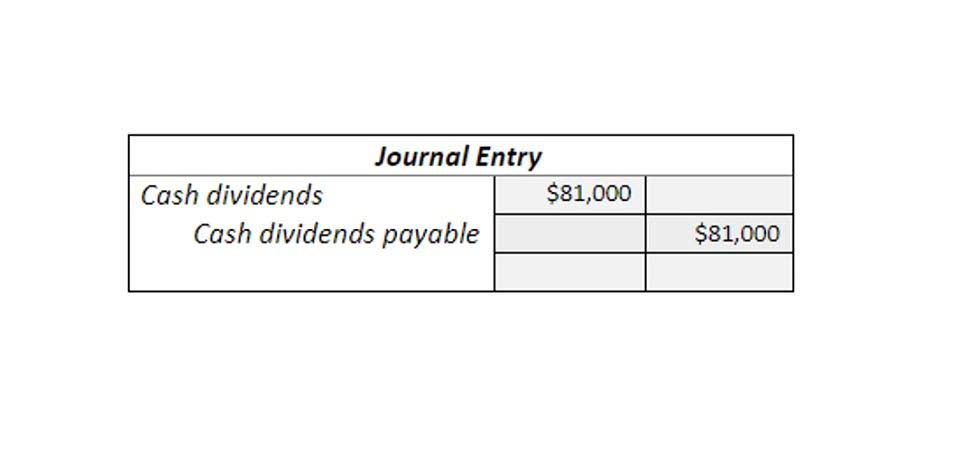
Real audit effectiveness comes from understanding how risk and assurance interact. They are the frontline defenders, applying controls and monitoring processes as work happens. It influences how audits are scoped, how controls are evaluated, and how confident auditors can be in their final conclusions. This is the risk that the work carried out by the auditor does not uncover a material misstatement that exists. During an inspection, an auditor conducts questioning sessions and checks the accounting records and related paperwork. If any problem is discovered during the assessment, the auditor suggests that the organization provide suggestions for fixing journal entries.
Historically, its increasing complexity stems from both advancements in auditing standards and increased scrutiny. In auditing financial statements, the procedures for the assessment of the risks and the calculation of the materiality differ from an auditor to another, by audit cabinet policy or advice professional bodies. On the basis of specific practices auditors in Romania, the article shows some laborious and examples of these aspects. Such considerations are presented evaluation of the general inherent risk, a specific inherent risk, the risk of control and the calculation of the materiality.
- Download our data sheet to learn how to automate your reconciliations for increased accuracy, speed and control.
- Audit risk represents the potential for an auditor to make an incorrect conclusion from an audit, typically due to not detecting errors or fraud.
- Through interviews and questionnaires, auditors gather important information.
- You may continue to work with us to resolve your tax matter, but we cannot extend the time you have to petition the U.S.
- It is important to understand that the auditors may try to minimize and control the risk, but it is impossible to eliminate it from the system totally.
- For any delivery service you may use, always request confirmation that the IRS has received your response.
Does this mislead the control and detection risks of audit risk?

Even then, the auditor accepts a certain level of risk that there might still be some unnoticed mistakes, but they believe it’s low enough that it won’t affect the overall accuracy of the report. Inherent risks are mistakes that may happen naturally due to the complexity of the business, industry, or transactions. The model revolves around the uncertainty that exists within every business transaction, financial statement, security control and corporate decision. A higher inherent risk indicates that the transaction class, balance, or an attached disclosure is at risk of being materially misstated. Lower inherent risk implies that the account is not likely to be materially misstated. The audit risk formula three types of audit risk included in the equation are expanded upon below.
Florida Launches Food Contaminant Testing Program with Report on Metals in Infant Formula
You may continue to work with us to resolve your tax matter, but we cannot extend the time you have to petition the U.S. The IRS accepts some electronic records in lieu of or in addition to other types of records. A GRC (Governance, Risk, and Compliance) automation tool like Sprinto, with its dedicated audit dashboard, makes things easier for both the business and https://profyve.com/period-costs-meaning-types-advantages-and-examples-2/ the auditor. The business operates on the cloud, exposing it to a wide threat landscape of cyberattacks and breaches. Plus, it handles sensitive customer data like PII (personally identifiable information), adding to its regulatory requirements (HIPAA) complexity.